Importance of Health and Education for Refugee Children
When conflicts and wars strike, it is typically women and children who bear the brunt of the suffering. Not only do children have to face the trauma of being torn from their homes, friends, communities, and potentially their own families; but they also have to face an uncertain future in which their opportunities for healthcare and education are more precarious than ever. Like any healthy and happy child around the world, two of the biggest predictors of future success include the ability to pursue an education and access to quality healthcare. Health and education are integral to helping displaced children rebuild their lives and their communities both during and after the conflict.
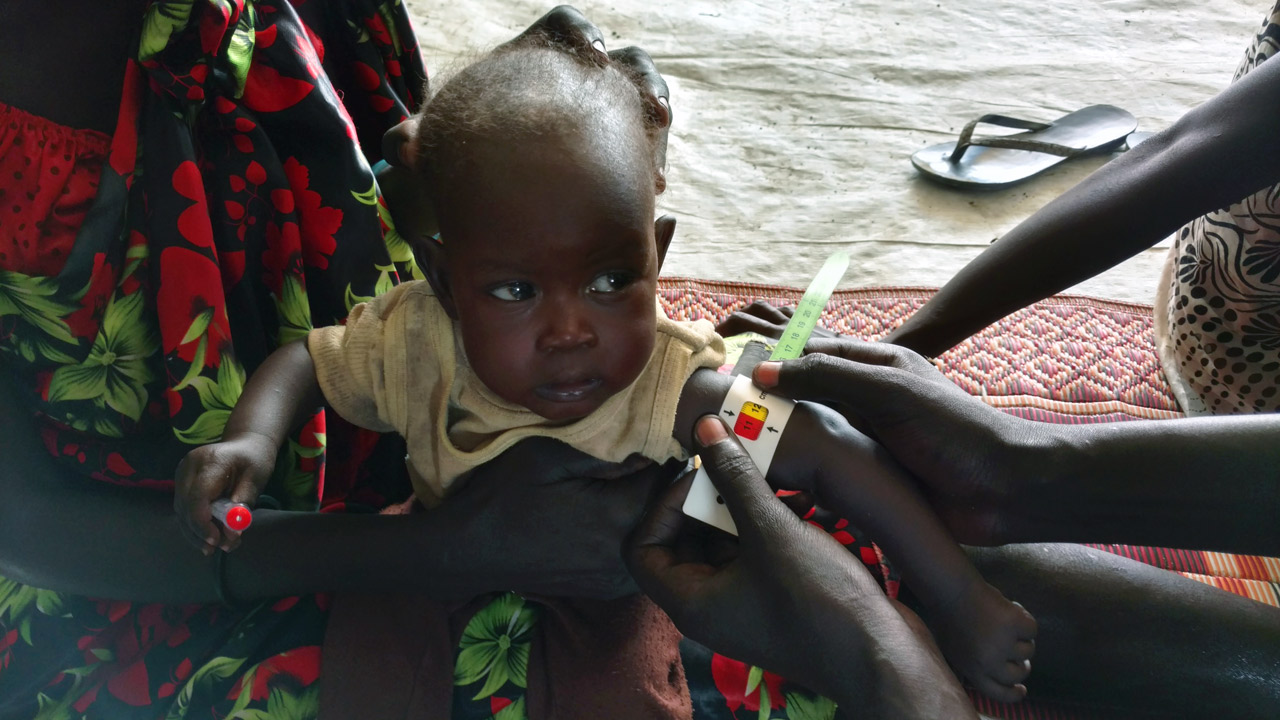
According to the 1951 Refugee Convention, international law states that refugees should have access to health services equivalent to that of the host population. While the importance of health services are vital for all displaced people, it is children who are most vulnerable to the threat of malnutrition, death, and disease. In forcibly displaced populations in developing countries, the UNHCR states “that the top five killers of children under the age of five are malaria, malnutrition, measles, diarrhoea, and respiratory tract infections.” These are all preventable and treatable diseases and causes that can be addressed with proper health services, education, and infrastructure. One of the most effective ways to empower displaced peoples is to provide the access to health services, so that they are healthy enough to begin to rebuild their lives and communities.
In addition to healthcare, education is also vitally important to refugees and displaced peoples. In 2016, over 3.5 million refugee children were not able to attend school. Only 61% of refugee children attend primary school, and the percentage only decreases as the education level increases. Only 23% of refugee children attend secondary school, and only an eye opening 1% of refugee youth have the opportunity to attend university.
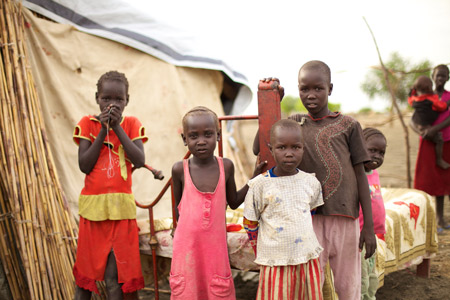 In a global economy where people from around the world have to compete for goods and services, refugee children are being left behind. Rather than being in school, many refugee and displaced children have no choice but to work odd jobs around the camp and outlying areas to help provide for their families and themselves. This leaves displaced children extremely vulnerable to exploitation and trauma, further deepening the chasm between those with access to healthcare and education and those without.
That’s where One Day’s Wages’ partnership with World Relief comes in. World Relief knows the importance of access to healthcare and education for displaced and refugee children, and that is why they have made these issues central to the work they do in South Sudan.
South Sudan is the world’s youngest country, and since its founding in 2011 has faced a series of conflicts and political instability which has resulted in over 2.4 million refugees. The United Nations established a refugee camp in Bentui, South Sudan in 2013 which is home to 10,000 displaced children. Due to rising violence many aid organizations have had to withdraw from the camp, further limiting access to vital services. World Relief maintains a presence at the Bentui camp to this day in order to provide life saving enriched foods as well as investing in the education of children in the camp. Adequate nutrition and access to health services are key to ensure that children do not suffer long term developmental delays as a result of malnutrition, so World Relief provides enriched food and ongoing evaluation to thousands of malnourished children in Bentui. World Relief also provides access to early childhood and primary education for the camp’s children, allowing these children to have a chance to learn, play, and regain a sense of stability in their lives.
To learn more about One Day’s Wages’ partnership with World Relief and how you can make a difference in the lives of displaced children in Bentui, South Sudan check out this page.
Share this story: [shareaholic app=”share_buttons” id=”26108403″]
More stories of impact
Starting With Strengths: How Asset-Based Development Can Transform Communities
When people talk about community development, the conversation often begins by listing what’s missing: clean water, farming knowledge, health clinics, and more. And while understanding needs is important, defining communities by their needs can paint them as passive,...
One Day’s Wages Named Together Women Rise 2026 Featured Grantee for Maternal Health Work in Afghanistan
One Day’s Wages (ODW) is honored to announce its selection as the 2026 Featured Grantee of Together Women Rise, a powerful global community of women and allies committed to advancing gender equality. This prestigious award includes a $50,000 grant over two years...
Women at Work: Toward Inclusion in the Global Workforce
Can you remember the last time you couldn’t make it to work? Maybe your nanny canceled, and you were left without childcare. Or maybe your car battery died, and you didn’t have a safe way to get to the office. These are the kinds of barriers that women around the...
Standing in Solidarity When the World Turns Away
We cannot fix every broken system. But we can choose to stand in solidarity with those who cross our path. This choice, this posture of care and action, is what fuels us at One Day’s Wages. And it’s why we need each other, now more than ever. Recently, our Global...
Turning Challenges into Opportunities: Masoka’s Journey of Empowerment
Masoka’s hands are stained with the rich soil of the land she now calls home. A 37-year-old mother of four, she arrived at Dzaleka Refugee Camp in Malawi after fleeing the conflict in her home country, the Democratic Republic of the Congo. The future felt uncertain,...
What Was USAID, and What Now?
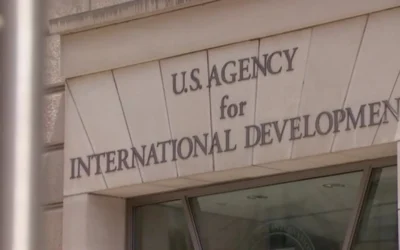
USAID has made news headlines constantly over the last few months. You may find yourself wondering: what is USAID, and is One Day’s Wages affected by its dismantling? As a global development organization, we at ODW care deeply about the people who depend on foreign...
LEARN
Leadership
Transparency
Read the Latest
Contact Us
COLLABORATE
Faith Groups
Schools
Businesses
Get Involved

One Day’s Wages exists to alleviate extreme poverty by investing in, amplifying, and coming alongside locally led organizations in underserved communities.
©2025 One Day's Wages is a registered 501(c)(3) organization | Tax ID #26-2566653 | Privacy policy | Terms of use
P.O. BOX 17575 Seattle, WA 98127 | Contact us