Starting With Strengths: How Asset-Based Development Can Transform Communities
When people talk about community development, the conversation often begins by listing what’s missing: clean water, farming knowledge, health clinics, and more. And while understanding needs is important, defining communities by their needs can paint them as passive, helpless, and dependent on outside funding or expertise.
Asset-based community development (ABCD) offers a different starting point: one rooted in strengths, skills, relationships, and the rich knowledge that already exists within a place. This approach isn’t new. It was first named in the 1990s by John McKnight and Jody Kretzmann, whose research showed that communities thrive when development efforts begin with what people already have—not what they lack.
Today, ABCD is used around the world, including by some One Day’s Wages partners. In fact, we intentionally seek partners that actively incorporate community members’ skills, knowledge, and already-existing resources into their projects.
Why start with strengths?
1. It fuels intrinsic motivation. People are far more energized by building on their gifts than by being reminded of their deficits. Perhaps you experience this yourself? When you begin a development project by identifying strengths, people see that their gifts and knowledge matter.
2. It strengthens the social fabric. Communities are built on relational networks that enable them to solve their own problems: farmer cooperatives, women’s groups, elders’ councils, places of worship. By working through existing groups, development efforts can amplify trust, cooperation, and local leadership.
3. It supports long-term poverty alleviation. Projects grounded in local resources are more likely to last. When communities use their own resources, they’re less dependent on external funding—and more likely to continue activities long after a project ends.
4. It honors human dignity. Strengths-based development resonates deeply with our belief that every person is created with inherent worth. When people are invited to contribute their talents, they experience the fulfillment that comes from shaping their own future rather than becoming passive recipients of aid.
A variety of tools are available to mobilize community resources. The indigenous practice of Two-Eyed Seeing offers a lens through which to see the collective strengths of both indigenous and Western knowledges. With that lens in place, an Appreciative Inquiry process can reveal stories of community successes, resilience, and dreams for the future. Resource Mapping can then provide a framework through which to identify the many cultural, social, political, financial, and natural resources that contribute to a community’s goals.
Take the example of ODW partner, PRHE. PRHE operates in a part of Malawi deeply impacted by climate change, but recognized the many resources that are available: a well-established women’s group, a supportive village chief, a regular supply of clay soil, and heaps of discarded peanut shells and sugarcane at the local market. What did they decide to do with these resources? Innovate! In this case, by establishing a women’s cooperative that makes smokeless stoves fueled by climate-friendly briquettes, replacing the need for charcoal.
In development, the temptation is to rush to meet needs. There are real challenges—climate shocks, soil depletion, and limited infrastructure. But communities also hold deep reservoirs of knowledge, creativity, and social networks that are vital to long-term resilience.
When development begins with what’s strong, communities can flourish.
More stories of impact

When Generosity Sounds Like a Song: An Invitation to Create Together
At One Day’s Wages, we are endlessly inspired by what happens when people bring their full selves—their creativity, curiosity, and courage—into a shared mission. Our work to alleviate extreme poverty has always been built on partnership. Not just with grassroots...
Ways to Give: Simple, Meaningful Options That Fit Your Life
Generosity isn’t one-size-fits-all. At One Day’s Wages, we believe giving should feel accessible, thoughtful, and aligned with your real life—whether you’re just starting out, raising a family, building a business, or planning your legacy. Here are several ways our...
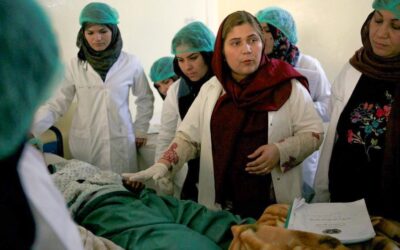
One Day’s Wages Named Together Women Rise 2026 Featured Grantee for Maternal Health Work in Afghanistan
One Day’s Wages (ODW) is honored to announce its selection as the 2026 Featured Grantee of Together Women Rise, a powerful global community of women and allies committed to advancing gender equality. This prestigious award includes a $50,000 grant over two years...
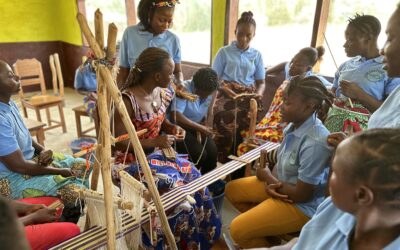
Women at Work: Toward Inclusion in the Global Workforce
Can you remember the last time you couldn’t make it to work? Maybe your nanny canceled, and you were left without childcare. Or maybe your car battery died, and you didn’t have a safe way to get to the office. These are the kinds of barriers that women around the...
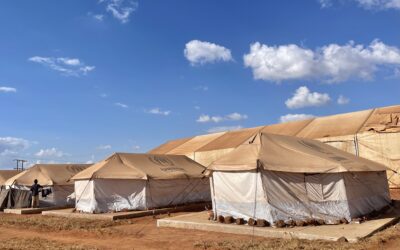
Standing in Solidarity When the World Turns Away
We cannot fix every broken system. But we can choose to stand in solidarity with those who cross our path. This choice, this posture of care and action, is what fuels us at One Day’s Wages. And it’s why we need each other, now more than ever. Recently, our Global...
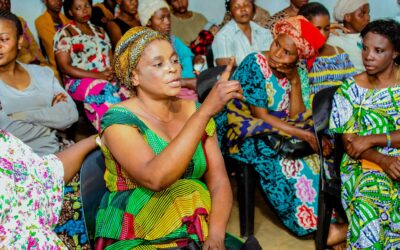
Turning Challenges into Opportunities: Masoka’s Journey of Empowerment
Masoka’s hands are stained with the rich soil of the land she now calls home. A 37-year-old mother of four, she arrived at Dzaleka Refugee Camp in Malawi after fleeing the conflict in her home country, the Democratic Republic of the Congo. The future felt uncertain,...
LEARN
Leadership
Transparency
Read the Latest
Contact Us
COLLABORATE
Faith Groups
Schools
Businesses
Get Involved

One Day’s Wages exists to alleviate extreme poverty by investing in, amplifying, and coming alongside locally led organizations in underserved communities.
©2026 One Day's Wages is a registered 501(c)(3) organization | Tax ID #26-2566653 | Privacy policy | Terms of use
P.O. BOX 17575 Seattle, WA 98127 | Contact us