
The Case for Social Inclusion
Today is the World Day of Social Justice!
Never heard of it? Never fear, we’re here to fill you in. In 2009, the United Nations General Assembly launched the World Day of Social Justice to recognize our on-going need for inclusive economic development and decent work for all.
Our goal at One Day’s Wages is to alleviate extreme poverty. And we recognize that some people are especially vulnerable to poverty, including Indigenous peoples, ethnic and racial minorities, women, and people living with disabilities. For example, in all regions of the world women are more likely to experience poverty than men, and in some countries poverty rates are twice as high among people living with disabilities. Disadvantaged people are also more vulnerabile to gender-based violence, human trafficking, and physical and mental illness.
That’s why one of our ten causes at One Day’s Wages is Social Inclusion.
We passionately believe that every single person has inherent dignity and the ability to contribute to community flourishing. Supporting projects focused on disadvantaged people helps address the unique barriers they face. In fact, the broader society benefits! Research demonstrates that including disadvantaged people in economic, educational, and social opportunities leads to improved wealth and GDP for entire nations.
Today, we invite you to join our conversation with Richard Ntakirutimana, Founder and Executive Director of ODW partner, AIMPO. AIMPO was founded by and for the indigenous Batwa community in Rwanda. We hope you learn as much from Richard as we have!
Note: if the video subtitles do not show up, click on the settings gear icon, select subtitles, then English.
More stories of impact
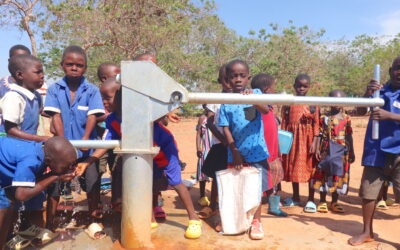
Locally Led Impact: Who Defines Change?
How do we know whether a development project is actually making a difference? For organizations that fund global development work, this is an important question. We want to know that the resources entrusted to us are contributing to meaningful change. But answering...

Linking Maternal and Child Health and Poverty
What do maternal and child health care have to do with poverty? As it turns out, quite a bit. Most maternal and newborn deaths can be prevented by quality health care and access to medications. Maybe you were born in a country that has high-quality medical support for...
What One Day’s Wages Means to Me
Something must have clicked for me when I interviewed Daphne Hollinger Fowler, Interim Executive Director, for an article I wrote about One Day’s Wages for a local Seattle publication a few years ago. I’d known about One Day’s Wages for many years, but hadn’t fully...

When Capital Stays in the Community
The first time I attended a savings and loans group meeting was in Uganda. In the still heat of the early afternoon, a dozen of us gathered under the shade of a mango tree. We sat on wooden benches in a circle. In the center was a cash box, carefully unlocked with...

Why Your Support of Local Leaders Matters More Than Ever
From the very beginning, One Day’s Wages made a deliberate and strategic choice: instead of creating our own programs, we chose to partner with and fund local leaders who are driving meaningful, sustainable change in their own communities. That decision wasn’t just...

When Generosity Sounds Like a Song: An Invitation to Create Together
At One Day’s Wages, we are endlessly inspired by what happens when people bring their full selves—their creativity, curiosity, and courage—into a shared mission. Our work to alleviate extreme poverty has always been built on partnership. Not just with grassroots...


One Day’s Wages exists to alleviate extreme poverty by investing in, amplifying, and coming alongside locally led organizations in underserved communities.
©2026 One Day's Wages is a registered 501(c)(3) organization | Tax ID #26-2566653 | Privacy policy | Terms of use
P.O. BOX 17575 Seattle, WA 98127 | Contact us